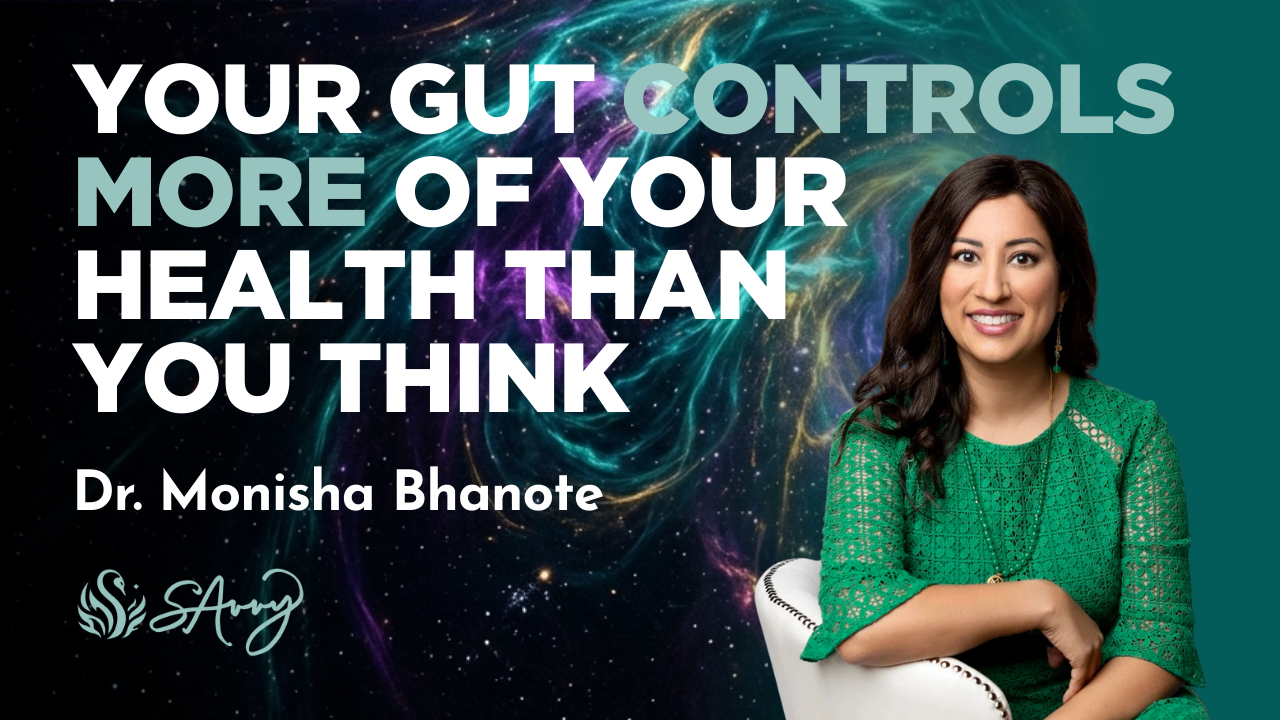
First, we explore the difference between a medical doctor and a functional medicine practitioner. Dr Monisha Bhanote explains how training backgrounds influence diagnosis and treatment. Medical doctors can diagnose disease. However, many professionals complete functional medicine certifications without becoming physicians.
She also explains how functional medicine focuses on deeper testing. These tests analyze how the body functions at a cellular level. As a result, practitioners can sometimes identify imbalances before disease fully develops.
Therefore, functional testing works best alongside conventional care. It should complement medical treatment rather than replace it. This integrative perspective allows practitioners to combine modern diagnostics with broader lifestyle insights.
Gut Health Insights From Monisha Bhanote
Next, the conversation shifts toward gut health and the microbiome. Dr Monisha Bhanote explains that humans carry more microbial cells than human cells. These organisms help produce vitamins, hormones, and neurotransmitters.
However, modern diets often disrupt this balance. Highly processed foods change the microbiome and increase inflammation. Over time, that inflammation can contribute to chronic disease.
Good bacteria support digestion and regulate inflammation. In contrast, harmful bacteria increase inflammatory signals in the body. Therefore, maintaining microbial balance becomes essential for long term health.
Ancient Wisdom Explained By Dr Monisha Bhanote
Later, Dr Monisha Bhanote introduces Ayurvedic medicine. Ayurveda is a health system that developed over five thousand years ago. It focuses on identifying imbalances in the body.
The system describes three main body constitutions called doshas. These include vata, pitta, and kapha. Each type responds differently to stress, food, and lifestyle habits.
For example, some people experience inflammation under stress. Others develop fatigue, brain fog, or weight gain. Therefore, understanding individual constitution helps guide nutrition and lifestyle choices.
Microbiome Research Discussed With Monisha Bhanote
The discussion then returns to microbiome science. Functional testing can identify both beneficial and harmful microbes. Some bacteria support immune balance. Others create inflammation and disease risk.
For instance, infections such as H pylori can damage the stomach lining. In severe cases, that infection may increase cancer risk. Because of this, testing often becomes necessary to detect microbial imbalances.
Diet diversity also plays a major role. Research shows that eating around thirty different plant foods each week improves microbiome diversity.
Dr Monisha Bhanote On Burnout And The Nervous System
Finally, the episode examines burnout and nervous system regulation. Dr Monisha Bhanote explains how the vagus nerve connects the brain and gut. This communication influences digestion, mood, and resilience.
However, modern lifestyles often keep people in a constant stress response. Phones, work pressure, and constant stimulation push the body into sympathetic mode.
In contrast, healing requires time in a parasympathetic state. That state supports rest, digestion, and recovery. Therefore, stillness and intentional breaks become essential for long term health.
More From Dr Monisha Bhanote
Dr. Bhanote Website Links
Website
Book
WELLKULÅ
Travela Wellness
Dr. Bhanote Social Media Links