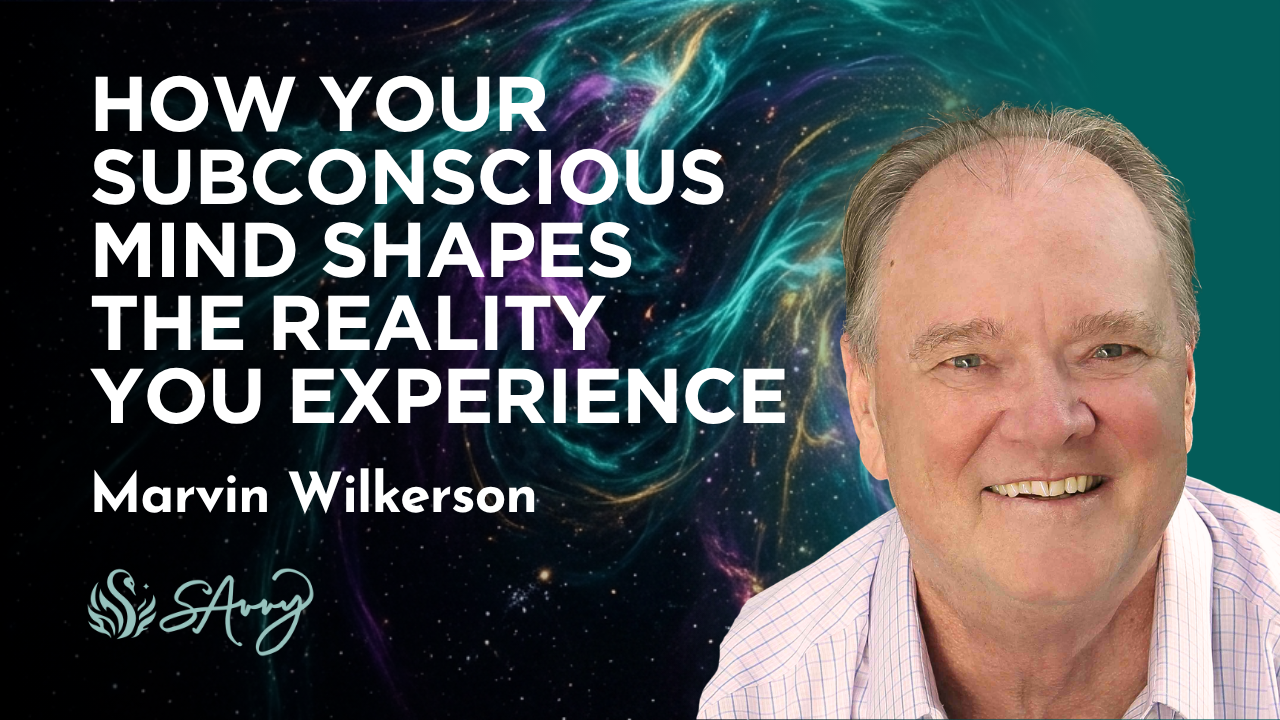
We begin with Marvin’s spiritual journey and the beliefs that shaped his early life. He grew up around Christianity while also encountering metaphysical ideas in Virginia Beach. However, one book encouraged him to question what he believed and why. That curiosity led him toward astrology, reincarnation, spiritual study, and later hypnosis. Eventually, his path brought him to subconscious programming through hypnotherapy and NLP.
Learning to speak without the jargon
Marvin explains why spiritual knowledge only matters when someone can actually use it. Therefore, he avoids complicated astrology language when simpler explanations work better. Instead, he focuses on energy, patterns, conflict, and how people experience those forces. He also explains why a birth chart must work as a complete map. Meanwhile, subconscious programming helps him explore the emotional patterns beneath someone’s conscious choices.
How Marvin connects childhood and adult patterns
The conversation then moves into the habits people develop early in life. Marvin argues that parents, teachers, friends, and society constantly shape a child’s understanding. As a result, adults can continue operating from ideas that no longer fit their lives. He describes adulthood as a process of examining and decommissioning those old programs. In that context, subconscious programming becomes central to understanding repeated reactions, habits, and emotional conflicts.
We also discuss hypnosis and the idea of revisiting childhood experiences from an adult perspective. Marvin describes techniques that help someone reconsider an earlier experience with greater awareness. Consequently, he connects subconscious programming with emotional responses behind behaviors such as overeating and smoking. His focus stays on identifying the insecurity or conflict beneath the visible habit.
Wilkerson on spirituality beyond rigid belief
Next, we explore religion, spirituality, and the limits of fixed belief systems. Marvin says he works with people from different religious backgrounds rather than demanding one spiritual framework. Instead, he looks for principles that connect across traditions. He references Christianity, Buddhism, Native American spirituality, Hermetic principles, and other teachings during that discussion.
Moreover, Marvin explains why he values ideas that appear across different cultures and centuries. The conversation also explores intuition and the difference between intellectual knowledge and felt experience. Therefore, we examine what happens when someone understands spiritual concepts but struggles to apply them.
Trusting the body and questioning the mind
Toward the end, we discuss how people might recognize which internal signals deserve their attention. Marvin places strong emphasis on feelings, emotions, and what someone senses in their body. In contrast, he warns that conscious thinking can follow fear, ego, or outdated assumptions.
We also discuss intuition through personal examples of ignoring a strong gut feeling. Ultimately, Marvin frames subconscious programming as something we can examine by noticing patterns, emotions, beliefs, and physical responses. The conversation encourages us to question inherited ideas instead of following them automatically. Most importantly, it asks us to consider whether our current choices actually align with what feels true.