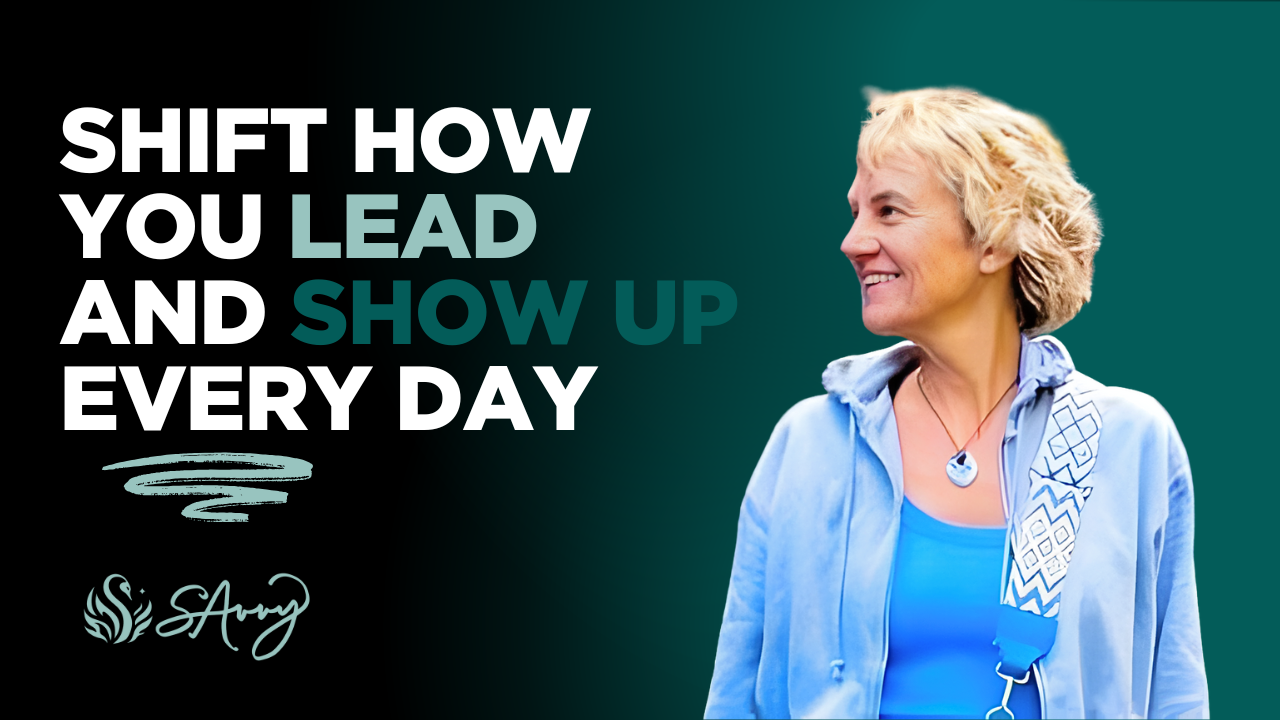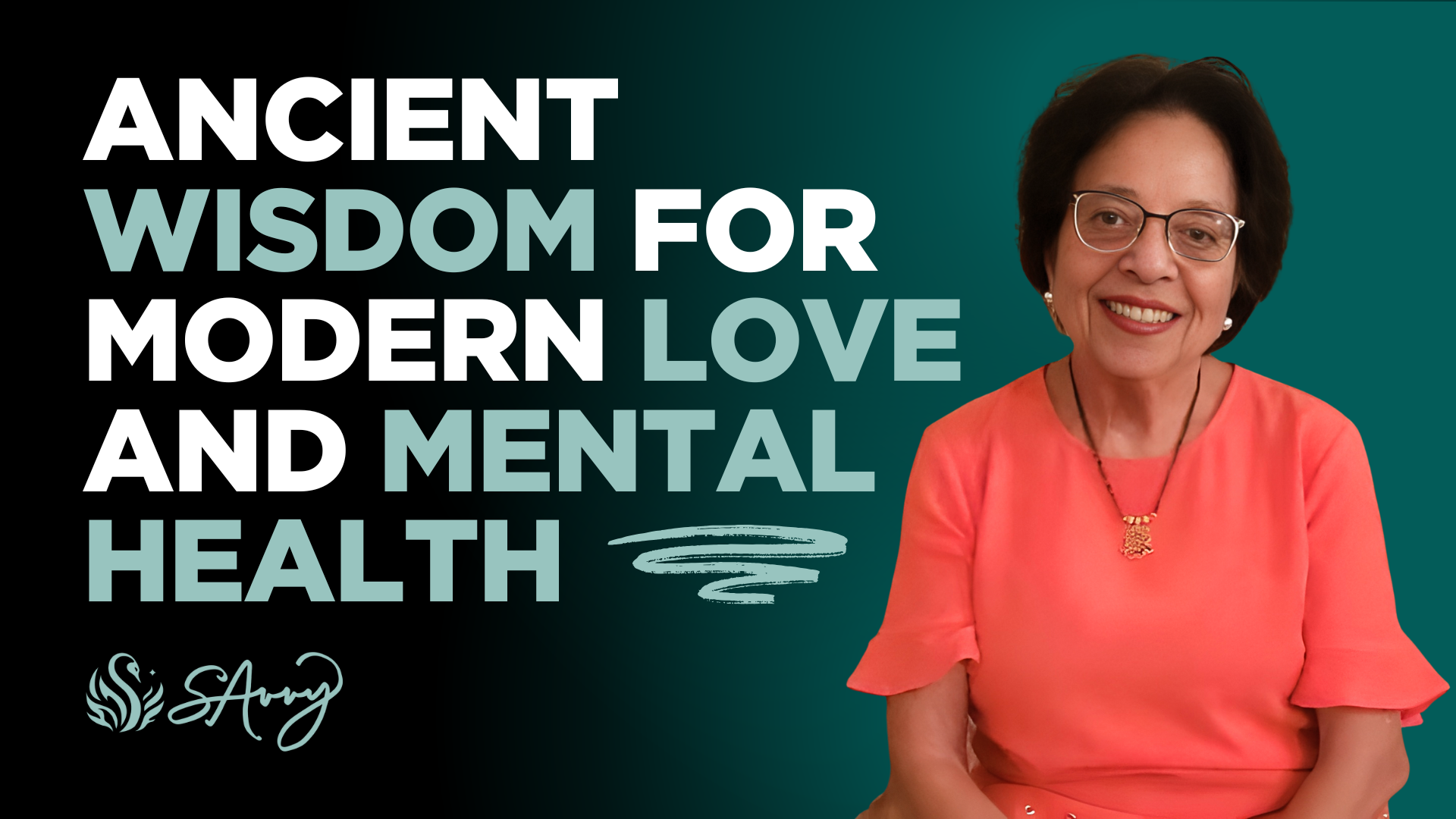
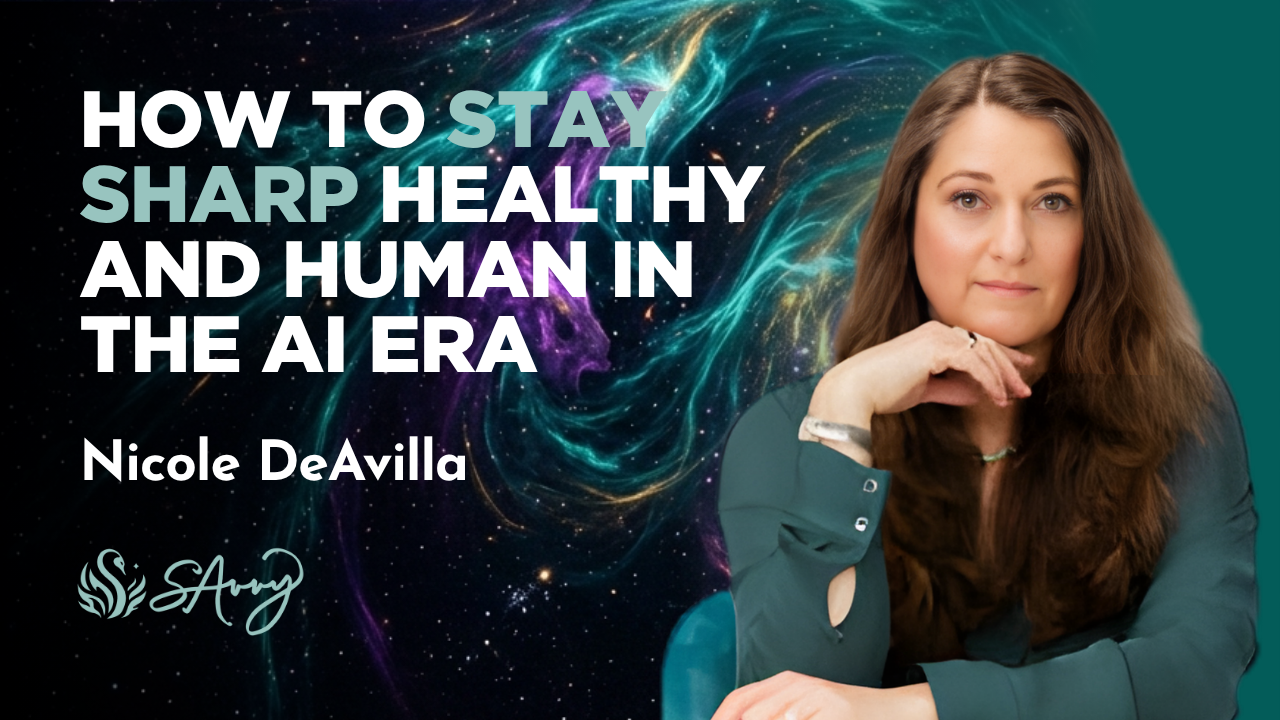
Nicole DeAvilla opens with the story that shaped her work. After college, she lived with intense pain. Yoga first felt like a way out. Then, it became the center of her career. She started teaching in the early 1980s. She also moved into research, writing, and training. As a result, she helped shape early standards in prenatal yoga and yoga therapy.
Where Nicole DeAvilla Connects Health and Work
This conversation shows why longevity leadership matters now. Nicole explains how yoga supports more than movement. It can improve balance, breath, stress, and daily function. She also draws a clear line between a regular class and therapeutic yoga. A class can help many people feel better. However, therapeutic work starts with intake, history, and a personal plan. That approach matters when pain, medication, injury, or stress changes what a body needs.
She also connects those ideas to modern health problems. Many common diseases come from daily habits. So, she focuses on practical choices that reduce inflammation, support sleep, and improve resilience. She talks about food quality, breathwork, movement, and recovery. Moreover, she explains why support systems matter. People often know what helps. Yet they still need structure, guidance, and accountability to follow through. That’s where longevity leadership becomes useful in real life.
Nicole DeAvilla on AI and Human Judgment
Later, the conversation shifts to technology and leadership. Nicole doesn’t treat AI as something to fear. Instead, she treats it as something people need to understand. She argues that leaders should use it with intention. It can save time, improve workflow, and support better systems. Still, it can’t replace judgment, critical thinking, or human connection.
That’s a key lesson in this episode. Longevity leadership isn’t only about health habits. It’s also about how we think, decide, and lead through disruption. Nicole warns against handing too much mental work to AI. When people stop thinking for themselves, their judgment weakens. On the other hand, when they stay curious and engaged, they use tools without losing their edge.
She also shares a grounded view of adoption. Not every tool fits every person. The better move is to start simple, solve real problems, and build from there. That same thinking applies to wellness. Small actions, done consistently, shape stronger outcomes. In the end, longevity leadership means caring for the body, training the mind, and staying human while systems keep changing. That’s the thread that runs through the entire conversation, and it gives this episode a clear sense of purpose.