How Nelson Whiting Found Hypnosis
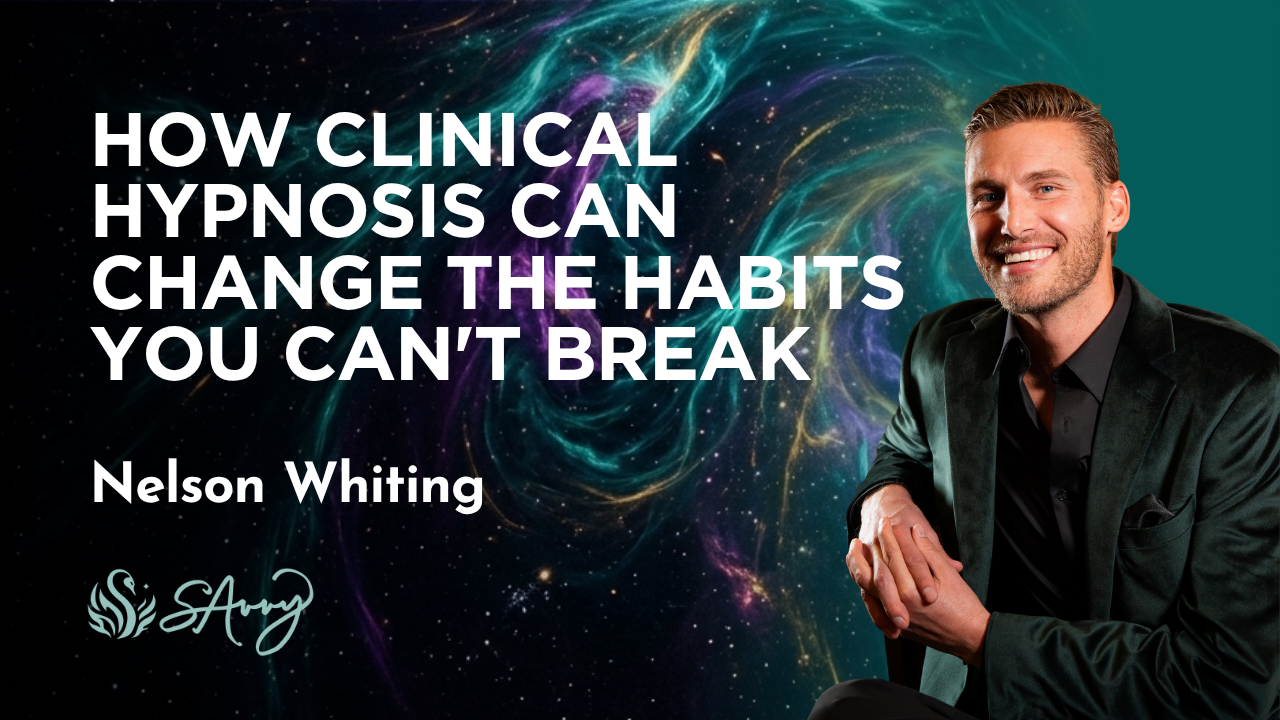
We start with Nelson’s first encounters with focused learning and stage hypnosis. As a teenager, he used breathing, relaxation, and affirmations while studying anatomy. Then, a graduation hypnotist gave him a much deeper experience of trance. That experience pushed him to study clinical hypnosis and the mind more seriously. He explains why hypnosis depends on focus, cooperation, and willingness rather than control.
What Nelson Says About Focus and Trance
Nelson breaks down beta, alpha, theta, and delta brainwave states in practical terms. However, he says physical relaxation isn’t required for trance. Instead, mental focus matters most when attention narrows and outside distractions fade. He also describes trance signs, including glazed eyes, muscle changes, head movement, and altered pain response. From there, we examine how clinical hypnosis uses suggestibility without removing a person’s ability to choose. He also explains why imagination can overpower conscious analysis when both sides conflict.
Why Whiting Looks Beneath the Habit
Next, we move from trance mechanics to unwanted behavior and addiction. Nelson argues that behavior is only the visible symptom of a deeper internal pattern. Therefore, he looks at emotions, thoughts, beliefs, and identity instead of willpower alone. We discuss pornography, procrastination, overeating, smoking, and other habits as examples. In his framework, “I’m not good enough” often sits beneath these struggles. Clinical hypnosis, he says, can help people notice those patterns and introduce different internal responses.
Faith Safety and the Limits of Control
The conversation also explores faith, spirituality, prayer, and Nelson’s Christian background. Meanwhile, he explains how he reconciles clinical hypnosis with religious concerns about mind control. He argues that trance doesn’t erase a person’s values, awareness, or ability to stop. We also discuss vagus nerve stimulation, diaphragmatic breathing, and the role of stress states. Later, Nelson addresses amnesia, stage tricks, and safety concerns. He describes clinical hypnosis as a collaborative process, not a way to trap someone in trance. Finally, we discuss pain management and why he coordinates with doctors when symptoms still need medical monitoring. Throughout, we return to one idea. Lasting change starts by understanding what drives behavior beneath the surface.
More From Nelson Whiting
Official Website
https://www.nolimitshypnotherapy.com/
Facebook
https://www.facebook.com/nelson.whiting.378000/
Instagram
https://www.instagram.com/nelsonpwhiting/
YouTube
https://www.youtube.com/@quitpornography
Ffree e-book link:
https://www.nolimitshypnotherapy.com/e-book-download-gift-register
Explore More of Samantha SAvvy’s work:
Erase your Fear and get your life back: https://www.samanthasavvy.com/3-steps-to-silencing-self-doubt-free-fear-fighters-quick-start-guide/
Stop saying yes without feeling bad about it: https://www.samanthasavvy.com/how-to-set-healthy-boundaries-without-guilt-free-boundaries-blueprint/
Become the Main Character of your story: https://www.samanthasavvy.com/main-character-mindset-free-guide-to-becoming-the-main-character/
Discover your Survivor Style and start thriving: https://www.samanthasavvy.com/survival-style-decoder/
Stop doing everything alone. Join the SAvvy Shift Mastermind Cohort: https://www.samanthasavvy.com/savvy-shift-mastermind/