
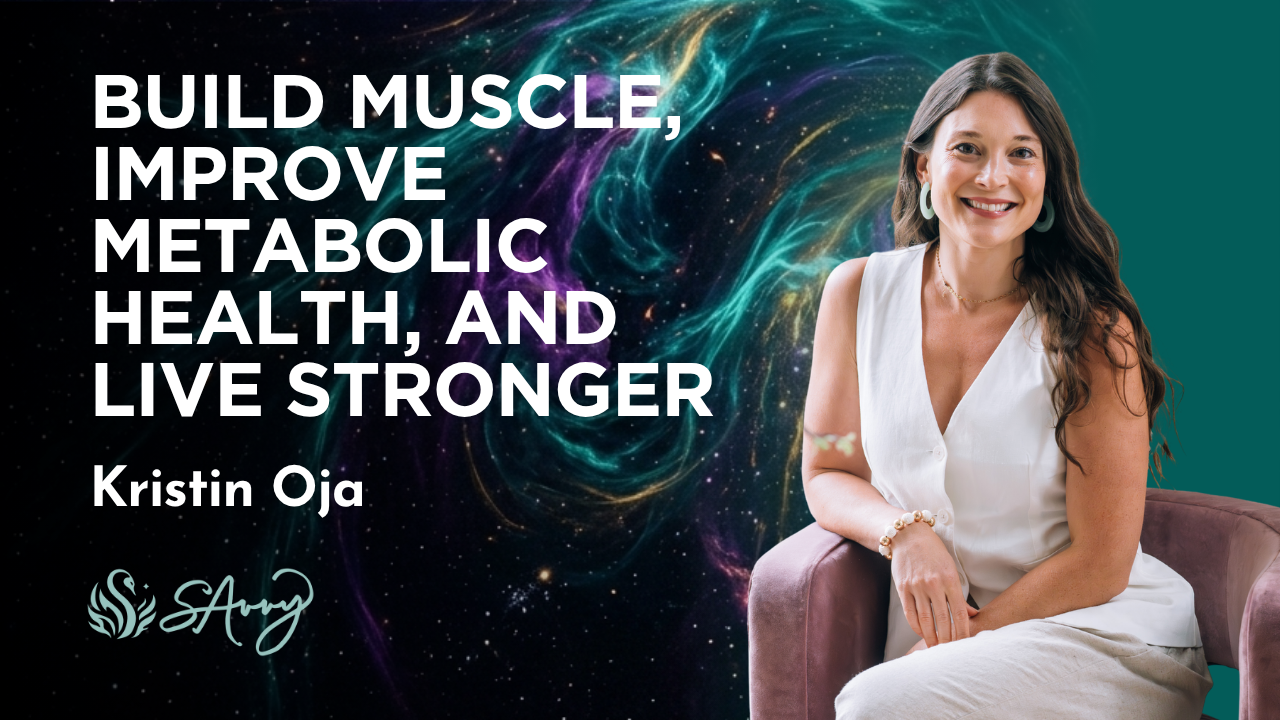
How Kristin Oja Connects the Whole System
Kristin Oja joins us to explain why she built her approach around functional medicine, strength training, and ongoing support. She traces that idea through personal training, nursing, emergency care, and her search for more preventive care. First, she explains how traditional care often treats body systems separately. By contrast, functional medicine asks how those systems interact and what may drive symptoms underneath the surface. She also explains why longer patient conversations can change the questions a practitioner asks. So, her model combines medical care with movement, nutrition, and regular coaching.
Why Muscle Changes the Conversation
Next, Kristin explains why muscle matters far beyond appearance. She connects strength training with blood sugar control, bone strength, independence, and long term health. However, she challenges the idea that useful strength work requires long gym sessions. Her own routine can include about 12 minutes of focused lifting each day. She also says muscle loss can begin around age 30. Therefore, she focuses on progressive overload, recovery, and enough nutrition to support muscle.
Kristin on Food Blood Sugar and Balance
The conversation then moves into food, blood sugar, and metabolic health. Kristin explains how functional medicine looks across nutrition, inflammation, insulin, and daily habits. For example, she discusses how under fueling can affect energy, stress, and cravings. She also explains why carbohydrates, fats, protein, and whole foods all have a place. Meanwhile, she cautions against treating protein as the only macronutrient that matters. Instead, she encourages balance that fits the person and their current season of life.
When Data Stops Helping
We also explore why functional medicine can pair health data with personal context without letting numbers control the day. Kristin discusses wearables, glucose monitors, body composition, and the limits of constant tracking. Still, she returns to one principle throughout the episode. Health changes need to work inside real routines. That means choosing a few priorities, testing them, and adjusting without chasing perfection. She calls this a subject of one approach.
What Oja Says About Sustainable Change
Finally, we return to the bigger purpose behind functional medicine and sustainable health habits. Kristin explains why consistency often matters more than dramatic short term changes. She describes using three priorities instead of changing everything at once. Additionally, she connects movement with brain function, glucose regulation, and healthy aging. She also discusses why self talk can shape stress, decisions, and daily behavior. As a result, functional medicine becomes part of a broader conversation about how daily choices work together. Most importantly, this episode shows how smaller changes can feel more realistic when they fit your actual life.