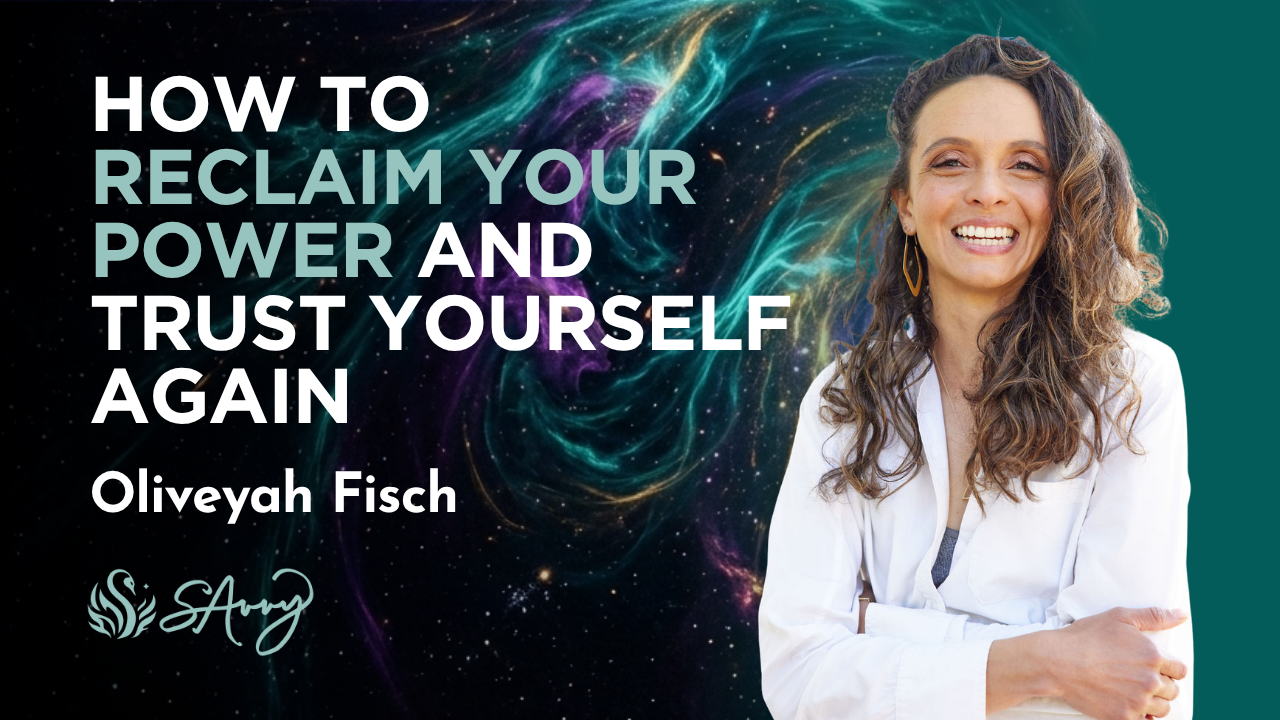
In this episode, we explore how early trauma can shape identity, safety, and self-trust. Oliveyah shares how childhood experiences taught her to leave her body for protection. However, she later recognized those moments as a form of survival and spiritual connection.
We also discuss how people surrender personal sovereignty in obvious and subtle ways. Sometimes, it happens through controlling relationships or harmful communities. Other times, it appears through confusion, people pleasing, or constant approval seeking. Therefore, rebuilding trust starts with noticing where your choices no longer feel like your own.
What Oliveyah Learned About Healing
Oliveyah explains why healing requires responsibility without self-blame. What happened may not be your fault, but your next step still belongs to you. Moreover, she emphasizes that support should feel useful, nourishing, and suited to your needs.
We examine why talk therapy doesn’t work for everyone. For some people, somatic work, movement, coaching, or other approaches may offer better support. However, no single method fits every person. Instead, the right path should help you reconnect with personal sovereignty and move forward with greater clarity.
Building Trust With Your Inner Wisdom
The conversation then turns toward intuition and body awareness. Oliveyah shares an eight-minute daily practice for slowing down and listening inward. During that time, you can check in with your mind, heart, gut, body, and spiritual self.
Although intuition can feel subtle, consistent attention makes it easier to recognize. Therefore, the practice isn’t about forcing answers. It’s about creating enough quiet to notice what your body already knows.
Oliveyah also explains why basic health habits strengthen that connection. Sleep, hydration, movement, nourishment, and time outside support clearer internal signals. As a result, personal sovereignty becomes something you practice rather than something you simply understand.
Fisch on Forgiveness and Boundaries
We also discuss forgiveness after manipulation, abuse, or betrayal. Oliveyah makes a clear distinction between forgiveness and approval. Forgiveness doesn’t excuse harmful behavior, and it doesn’t require renewed contact.
Instead, forgiveness can release the energy still tied to the past. Meanwhile, boundaries can remain firm, complete, and permanent. This approach helps you protect personal sovereignty without carrying the same emotional connection forever.
Wrapping up with Oliveyah Fisch
Finally, we explore toxic positivity, spiritual bypassing, and emotional honesty. Oliveyah explains why ignored emotions often return through stress, conflict, or self-abandonment. Therefore, real growth requires both emotional care and conscious action.
This conversation offers practical ways to shorten recovery time, recognize old patterns, and respond with greater awareness. Above all, it shows how personal sovereignty grows through daily choices, honest reflection, and compassionate self-trust.
More From Oliveyah Fisch
Email: contact@oliveyahfisch.com
Website: www.oliveyahfisch.com
Social Media: @OliveyahFisch