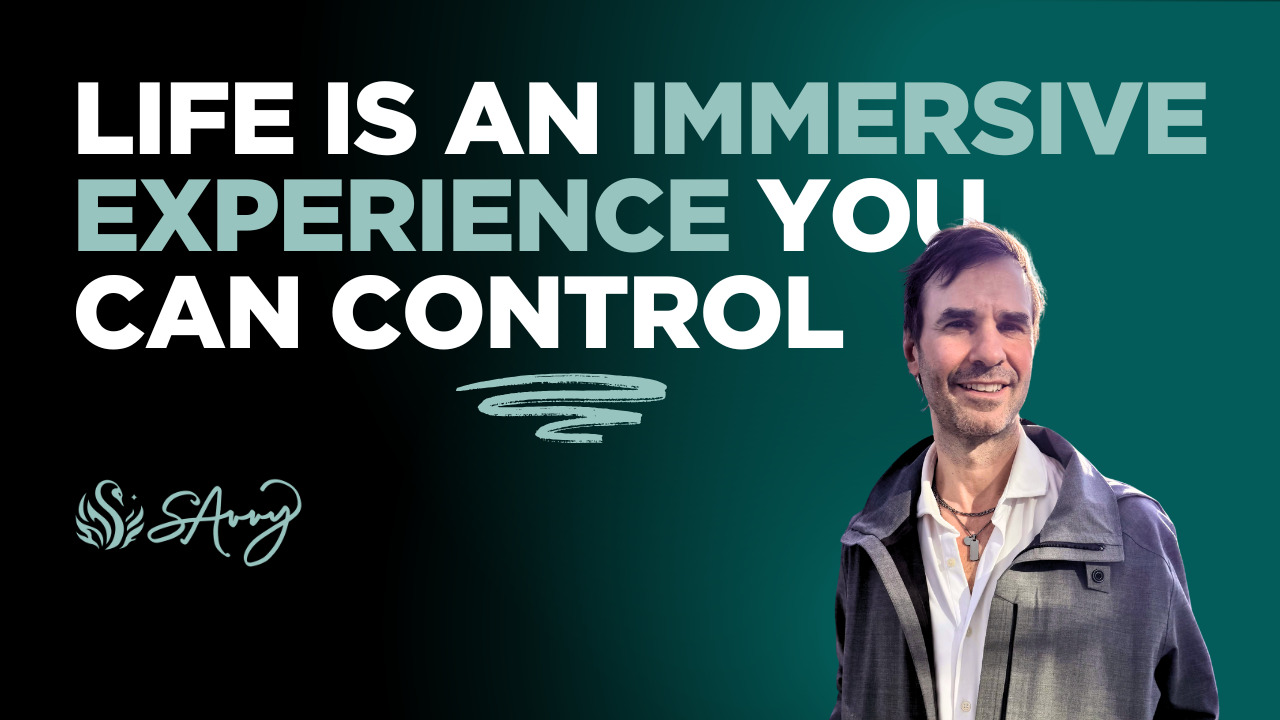

We sat down with Dr. Lee Baucom to explore why he moved from therapy into coaching. He explains that therapy often studies pain and history first. Coaching, however, starts with the gap between today and the future. That shift matters because many struggling couples need movement, not endless review. So this conversation opens with a clear case for marriage coaching as a practical path forward.
What Lee Baucom Calls the Pause Button
Dr. Baucom argues that many couples stop investing in each other after marriage. Instead, they turn toward careers, kids, stress, and daily demands. Then the relationship slowly loses energy. He calls that the pause button. Moreover, he says the damage often feels subtle at first. Couples may still function well, yet feel more like roommates than partners. That insight gives marriage coaching a clear target. It helps people notice disconnection before resentment gets stronger.
Dr. Baucom on Rebuilding Connection
We also break down the three levels of connection he teaches. First comes physical connection, which includes affection, touch, and shared presence. Next comes emotional connection, where partners feel understood and supported. Then comes spiritual connection, which centers on values, meaning, fears, and purpose. Together, those layers show why marriage coaching goes deeper than better scripts or cleaner conflict language. It asks what kind of bond a couple is building every day.
He also explains why communication tools alone rarely solve the real issue. Communication carries what already exists. So if the relationship feels cold, sharper communication only delivers coldness more clearly. Instead, he urges couples to create small deposits into what he calls a connection account. A walk together, a light lunch, a quiet talk, or simple touch can all help. Those moments may seem small. However, they can begin to restore trust and warmth over time.
Building a Team Mindset at Home
Another strong lesson in this episode is the shift from me and you to we. Dr. Baucom says healthy couples think like a team. As a result, they handle money, parenting, conflict, and stress from a shared frame. That mindset shapes how they respond when one partner wants change first. It also shapes how they approach kids, whose needs can easily pull focus away from the relationship. He makes the case that the marriage must stay central, not for ego, but for stability. That is where marriage coaching becomes especially useful for one willing spouse. It helps that person change pace, invite connection, and stop chasing quick fixes.
By the end, we also get his simple framework of connect, change, and create. Connect with your spouse. Change yourself where you’ve gone stagnant. Then create a new path built on teamwork. It’s a grounded model, and it gives people a realistic way to act. So this episode offers a thoughtful look at marriage coaching, disconnection, and the habits that help couples reconnect before the gap gets wider.
More From Dr. Lee Baucom
http://UnPauseYourMarriage.com
http://SaveTheMarriage.com
https://www.linkedin.com/in/lee-baucom/
https://www.instagram.com/thriveology/