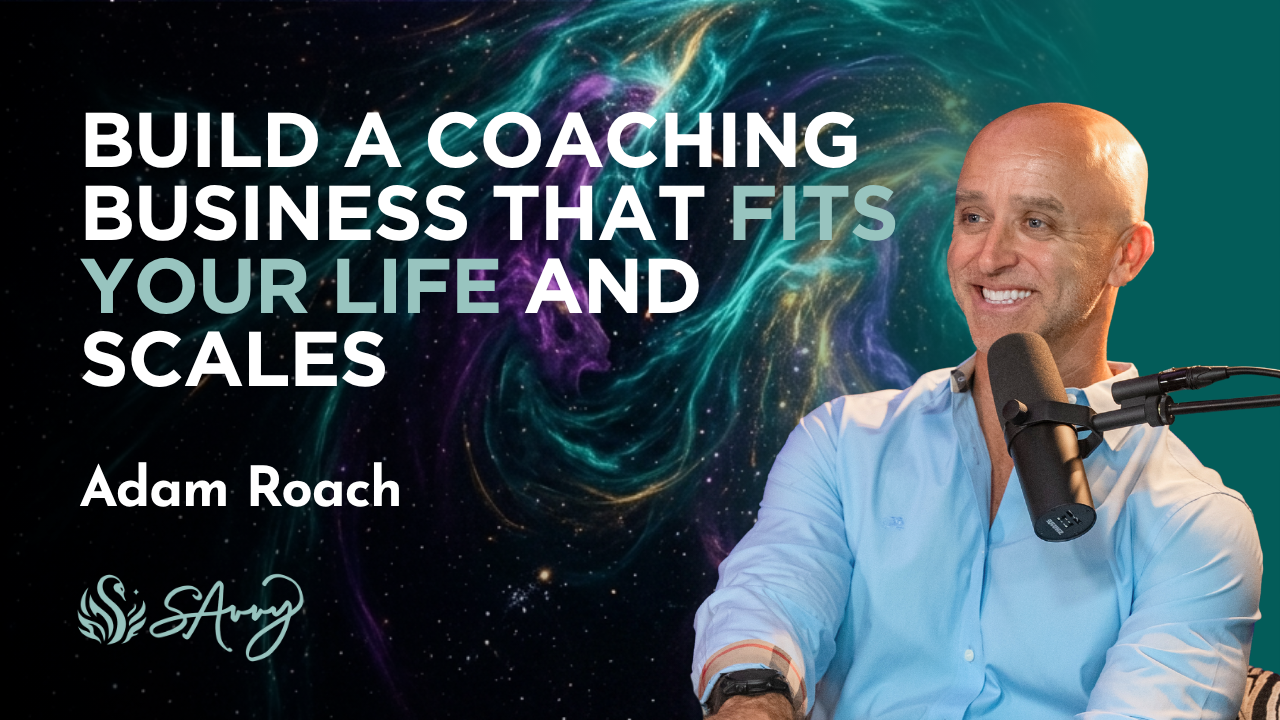
From success to significance with a Coaching Business
We sat down with Adam to unpack the path that shaped his work today and how to Build a Coaching Business That Fits You. He shares how life on his grandfather’s farm taught him about work. Then, his father’s life as an Olympic swim coach taught him about significance. As a result, Adam started to see the difference between chasing wins and serving people with purpose.
He also walks us through his own turns in business. First, he taught tennis. Then, he moved into real estate, brokerage ownership, and software. However, each new season revealed the same pattern. He’d learn a skill, apply it, and then teach it. That pattern eventually led him to a coaching business built around what he knew best.
What Adam Roach learned in the hard seasons
This part of the conversation goes deeper. Adam reflects on loss, divorce, exits, and the moment he realized success alone felt empty. Because of that, he started asking better questions about identity, calling, and who he wanted around him. He explains why a coaching business starts with inward work before it starts with tactics.
That idea leads into one of the strongest lessons in the episode. Adam says many people confuse their past container with their identity. Yet he argues your former title isn’t who you are. Instead, you need clarity around your real strengths, your lived experience, and the problem you can solve honestly. That’s why he believes a coaching business can’t scale well without authenticity.
Building a Coaching Business with Adam
Adam also breaks down the four phases of his blueprint in a simple way. First comes identity. Then comes getting early one on one clients. Next comes a one to many model built from one clear chapter of your process. Finally, he explains how books, stages, podcasts, and visibility can expand reach. Step by step, he shows how a coaching business grows through clarity, structure, and repetition.
Along the way, we dig into imposter syndrome, self doubt, and the difference between nerves and inauthenticity. Adam shares his mirror versus window idea, which asks us to stop judging ourselves in isolation. Instead, he suggests letting trusted people reflect back what it’s like to be on the other side of us. That shift makes a coaching business stronger because confidence grows from truth, not performance.
Roach on the future self
Near the end, the conversation turns practical and personal. Adam explains why quiet walks, prayer, and honest reflection help him reset identity. He also shares why he prefers a North Star over a why. In his view, goals change, but direction matters. By the end, a coaching business becomes more than an offer. It becomes a way to serve from experience, lead with heart, and build something that fits real life.