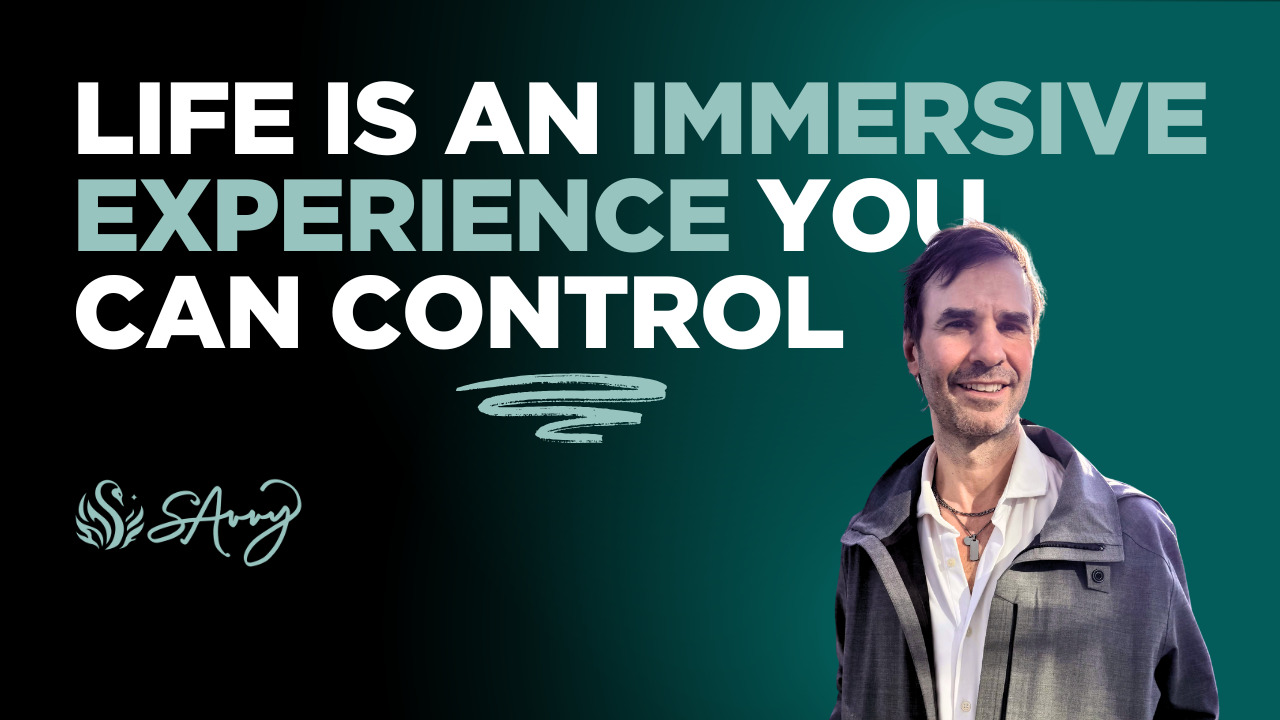
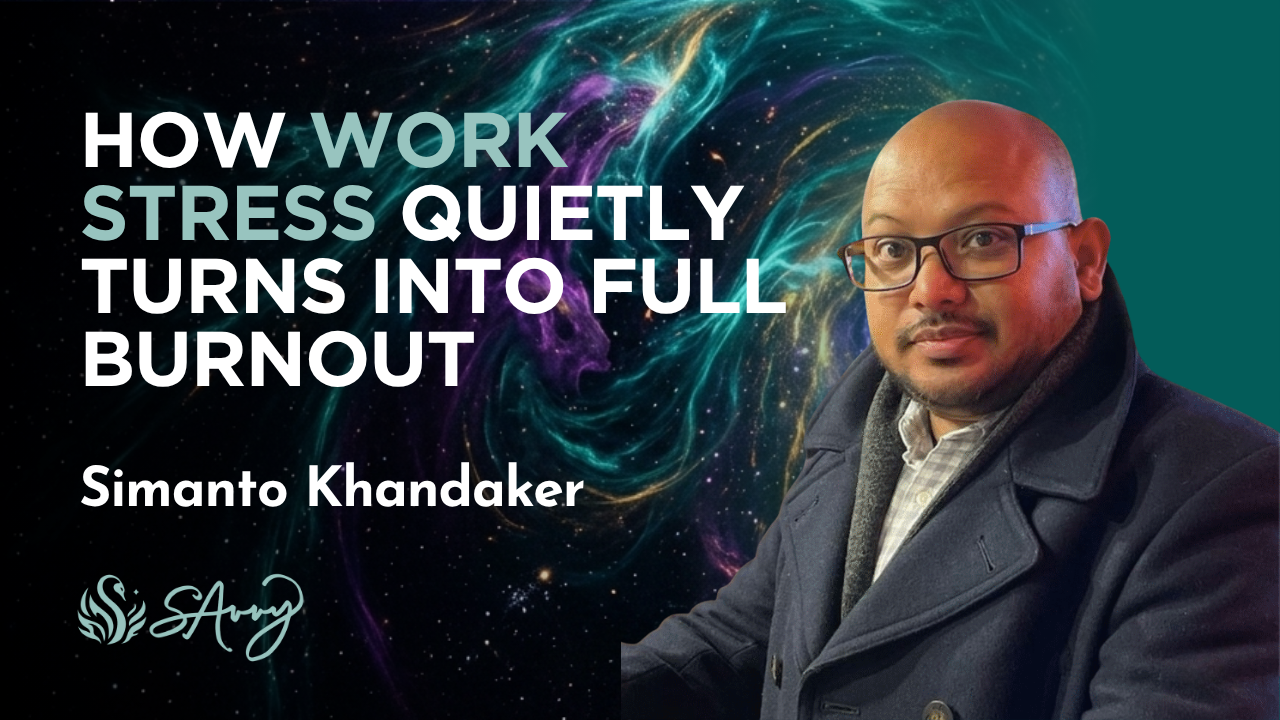
When Simanto Khandaker chose people over math
We sat down with Simanto Khandaker to unpack how work, identity, and mental health collide. He shares how his family immigrated to the United States in the nineties. He also explains how that experience shaped his view of pressure, success, and support. As a result, this conversation feels both personal and practical.
He walks through his early push toward engineering and why psychology pulled him harder. That shift didn’t come easy. Instead, it brought stigma, doubt, and a real fight for direction. Yet that tension became part of his larger message about professional burnout. He makes it clear that struggle shouldn’t be dismissed just because someone else seems worse off.
How Sim drew the line between therapy and coaching
Sim explains the difference between counseling and coaching in a direct way. If the work centers on the past, trained clinicians are better equipped. If the work centers on future goals, coaching can help remove barriers and build action. However, he also warns that coaches can overstep, especially in an unregulated space.
That point becomes sharper when he shares a painful story from early in his career. He worked with someone harmed by a grief coaching program that failed her. Because of that, he looked harder at ethics, scope, and responsibility. He believes professional burnout often gets treated too late, while deeper pain gets mishandled too soon. So this episode gives a grounded view of support, referral, and real competence.
Why Khandaker says work can’t be your whole self
The conversation then turns to burnout, and this section hits hard. Sim says professional burnout doesn’t begin only when someone crashes. It can start with self doubt, impostor syndrome, and constant stress that never lifts. Then it grows into isolation, numbness, irritability, and emotional emptiness.
We also get into the body side of stress. He describes tension, fatigue, poor habits, and the loss of joy. Meanwhile, the host shares how toxic work culture showed up through fear, control, and even being reprimanded for laughing. That story gives the topic real weight. Professional burnout stops sounding abstract and starts sounding familiar.
From there, the episode widens into work culture in the United States and similar markets. Sim argues that many people build identity around job titles first. Meanwhile, in other places, family and community often come before work. That difference matters because blurred boundaries make professional burnout easier to normalize. He also points out that many of us helped create that pattern by allowing constant access. Still, he doesn’t stay stuck in blame. He talks about boundaries, honest conversations, and the courage it takes to reset expectations at work.